The 7th International Workshop on
Surgery-First Orthognathic Surgery
2019 年 10 月 7 日 – 10 月 9 日 · 臺灣・桃園長庚紀念醫院
|
258
PARTICIPANTS
總參加人數
|
26
COUNTRIES
參與國家/地區
|
3
DAYS
活動天數
|
Oct 7–9
2019
舉辦日期
|
活動大合照
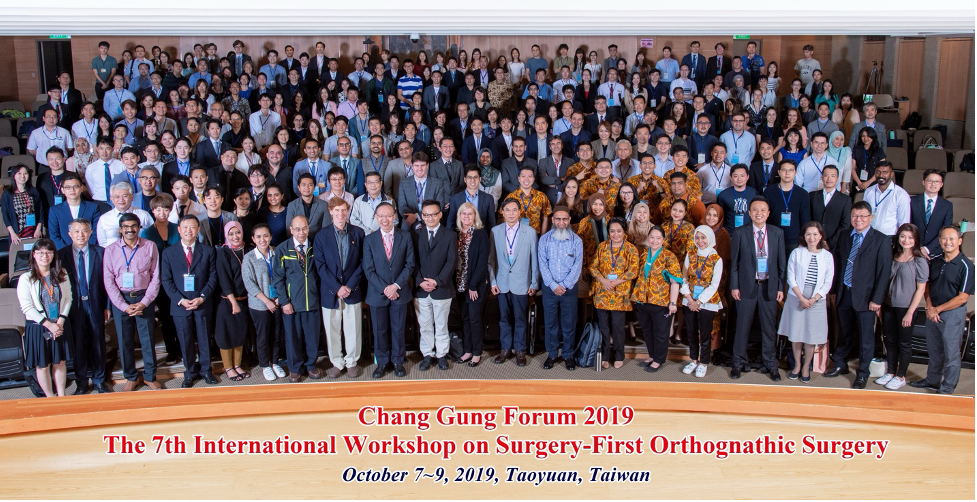
第 7 屆 Surgery-First Orthognathic Surgery 國際工作坊・全體與會者大合照
活動花絮
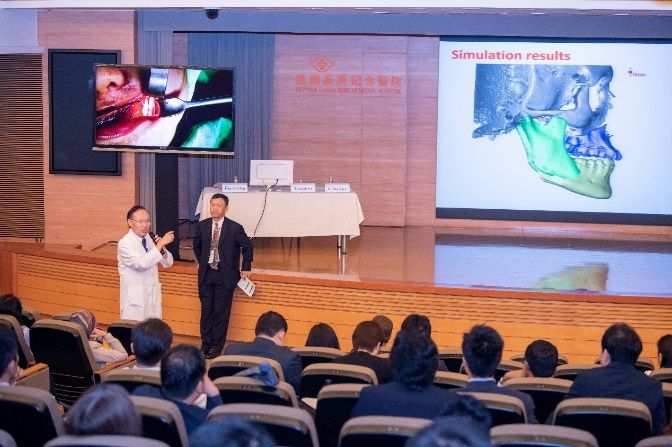
現場手術示範 · Live Surgery Demonstration
|
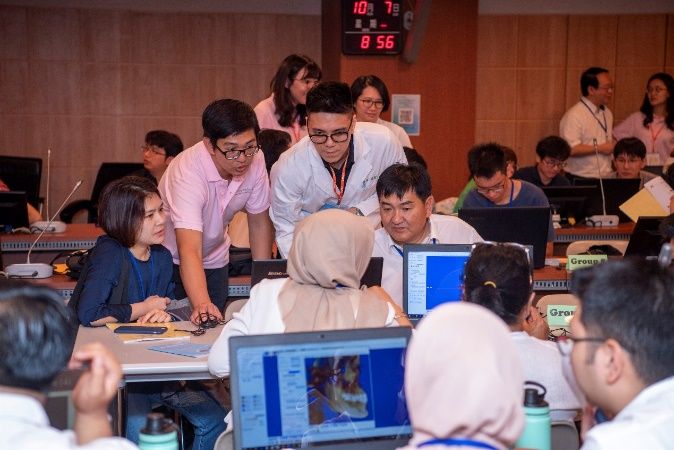
齒顎矯正實作課程 · Orthodontic Hands-on
|
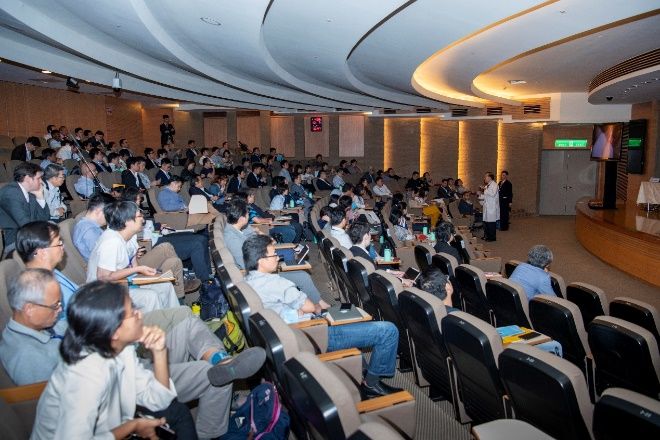
專題演講 · Scientific Lectures
|
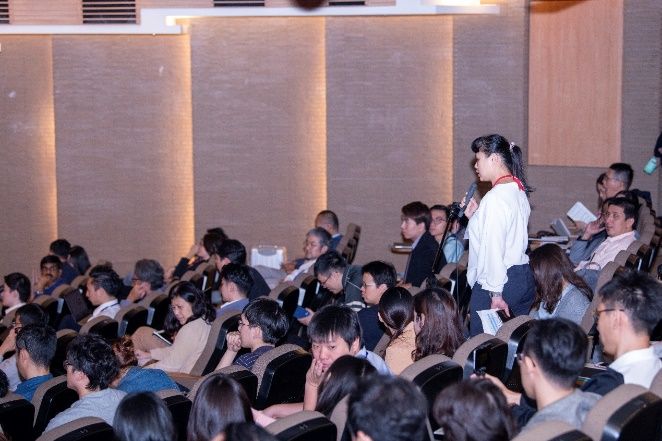
綜合討論與提問 · Panel Discussion & Q&A
|
節目表 · Agenda
成果報告
With great pleasure, we report the general success of Chang Gung Forum 2019, The 7th International Workshop on Surgery-First Orthognathic Surgery, held on October 7–9, 2019, at Chang Gung Memorial Hospital, Taoyuan, Taiwan.
This year, 258 doctors from 26 countries participated in Chang Gung Forum. The three-day program started with four live surgeries, including patients of genioplasty (Dr. PY Chou), Class III malocclusion (Dr. CF Yao), cleft malocclusion (Prof. Frank Chang), and maxillomandibular advancement for obstructive sleep apnea (Dr. CH Lin). The session was chaired by Professor Lun-Jou Lo and Dr. Ying-An Chen. All participants actively joined the discussion on versatile surgical concepts and skills for various types of dentofacial deformities.
At the same time, an Orthodontic Hands-on Course was conducted in the Briefing Room, covering concepts of surgical design, planning formation, and diagnosis & treatment planning in different case categories — surgery-first or orthodontic-first. In the sharing-experience session, five international participants presented their experiences in the treatment of Class III malocclusion and obstructive sleep apnea.
The two-day lectures opened with the keynote by Professor Yu-Ray Chen on Surgery-First Approach: Past, Present and Future. Alongside Professor Daniel Huang’s emphasis on the efficiency of the surgery-first approach, Dr. Emma YJ Hsieh offered guidance to beginners wishing to start surgery-first approaches. The second session elucidated the application of 3D surgical simulation in orthognathic surgery, including the workflow (Dr. YC Wang), application in facial asymmetry (Prof. LJ Lo), perspectives from an orthodontist (Dr. Sam Hsu) and a surgeon (Dr. CF Yao), and the surgical sequence of two-jaw surgery (Dr. CF Yao). Treatment principles for Class III and facial asymmetry were presented on the afternoon of the second day.
On the third day, the lectures focused on more challenging dentofacial conditions, including Class II malocclusion, obstructive sleep apnea, nasal deformity after orthognathic surgery, ideal nasal position in facial asymmetry, and adjunctive surgeries with orthognathic surgery. Another important focus was the management of temporomandibular joint disorders before and after orthognathic surgery. A special concomitant event, The 30th Anniversary of NCF: Achievements of the Seed Medical Practitioner Training Program, hosted by the Noordhoff Craniofacial Foundation and moderated by Professor Lun-Jou Lo, invited seed doctors from the Philippines, Cambodia, Vietnam, Mongolia, and Pakistan to share their experience in the care and surgery of cleft patients after their training at the Chang Gung Craniofacial Center.
At the final session, Professor Yu-Shu Huang reported on the psychological evaluation of patients undergoing orthognathic surgery. In the Panel Discussion, participants actively discussed many important issues, such as the airway concern after mandibular setback. Unsolved questions remain, and further studies are needed — to be taken up at the coming Chang Gung Forum 2021.
Department of Plastic and Reconstructive Surgery · Chang Gung Memorial Hospital